This page documents rifles, shop work, and the environments where precision systems are actually used. The photos below show the work in context so customers can see the difference between a finished rifle, the process behind it, and the way those decisions matter in use.
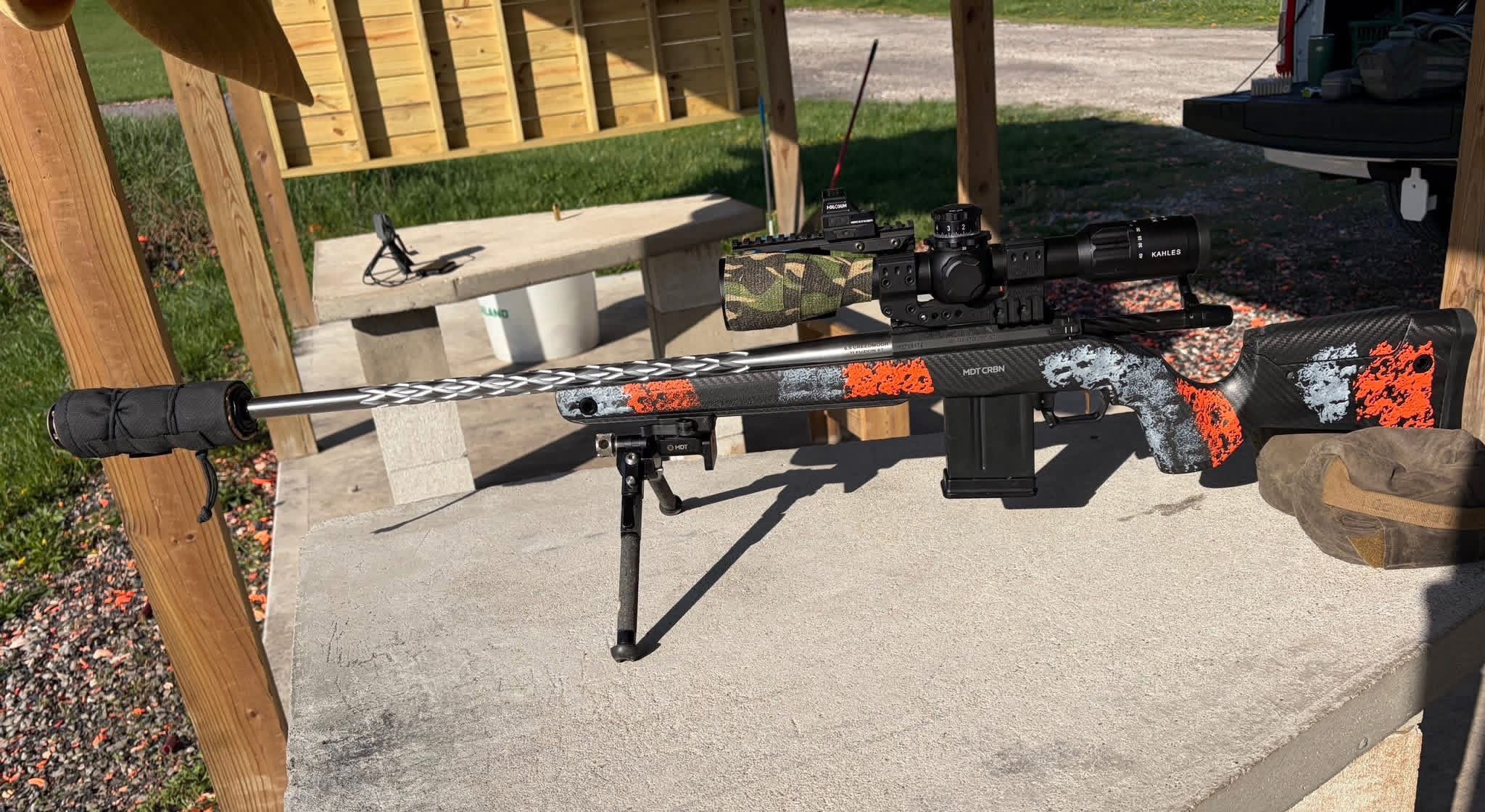
A competition rifle has to settle predictably on support and let the shooter stay connected to the optic while operating the rifle. Balance, interface, and repeatability matter because the stage already demands enough attention.
COMPETITION / FIELD SETUP
MATCH RIFLE / CASE STUDY
The useful test is not how a rifle looks on the bench, but how naturally it sets up when support, time, and position change. A tuned system should reduce the amount of correction the shooter has to make between shots.
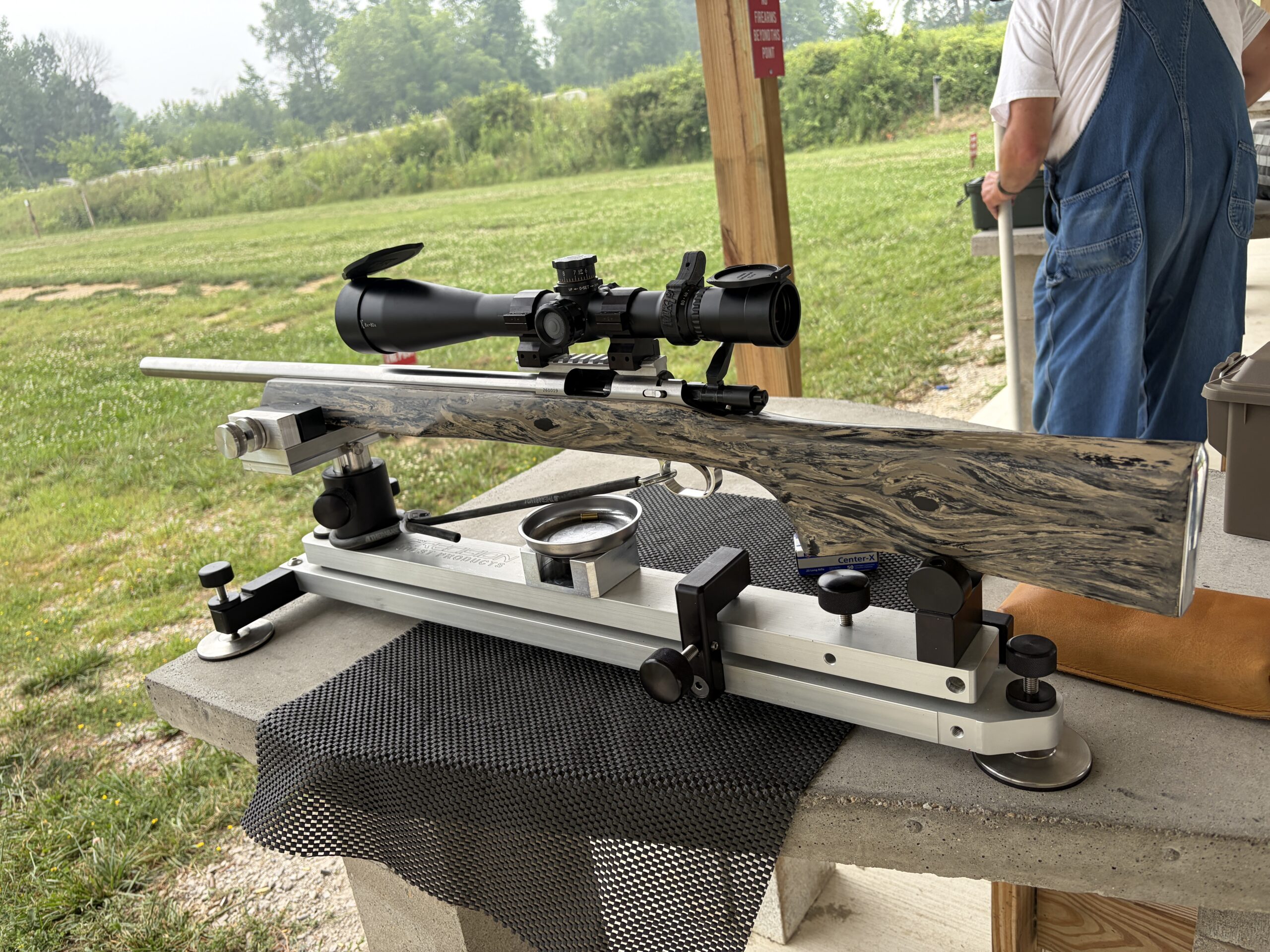
RIFLE / OPTIC DETAIL
SHOOTER STORY
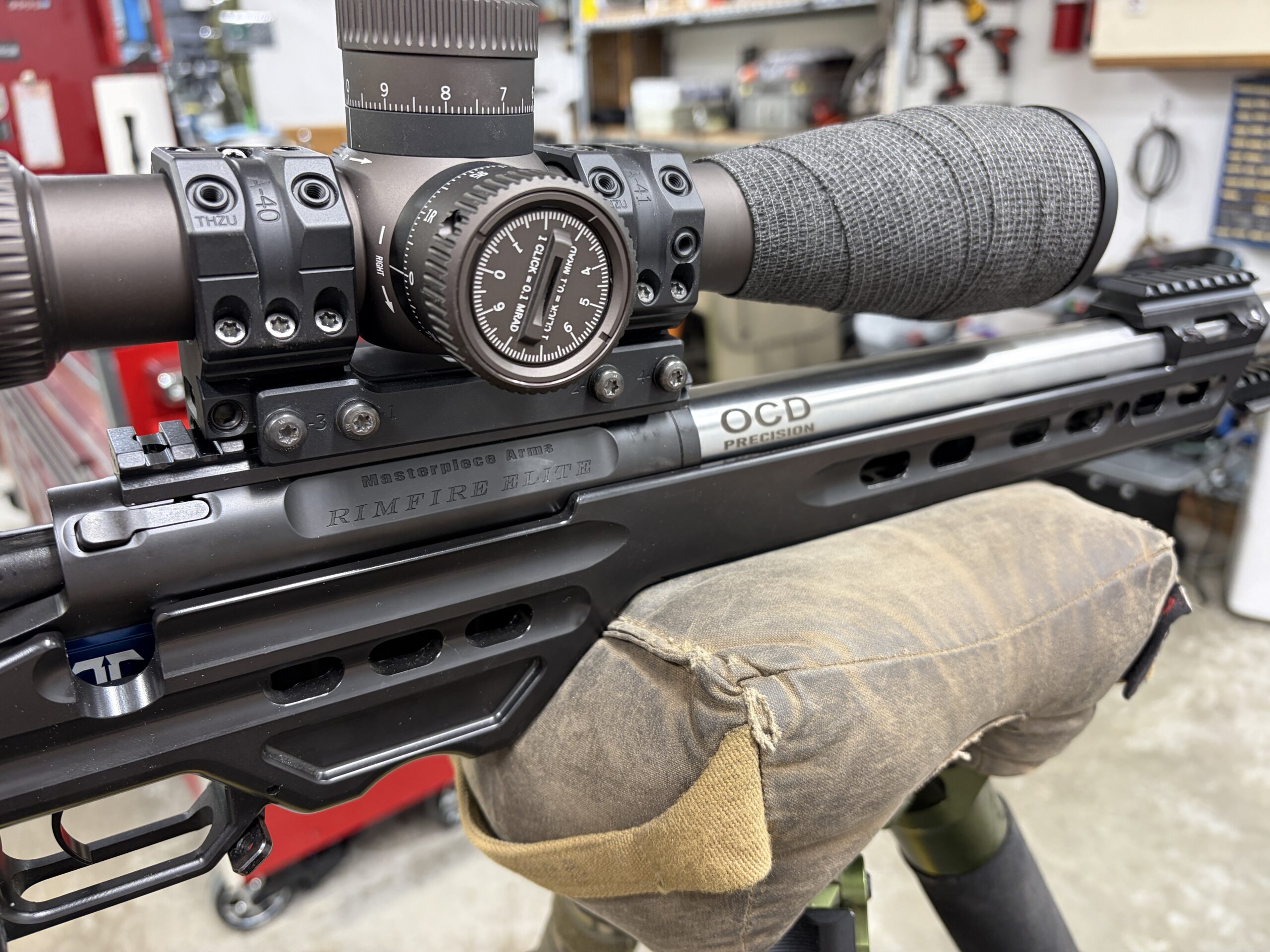
Optic height, mounting position, stock or chassis geometry, and the shooter interface all affect whether the same head and shoulder position can be rebuilt without searching for it.
02 / HUNTING BUILDS
FIELD-FOCUSED SYSTEMS
FIELD / LONG-RANGE POSITION
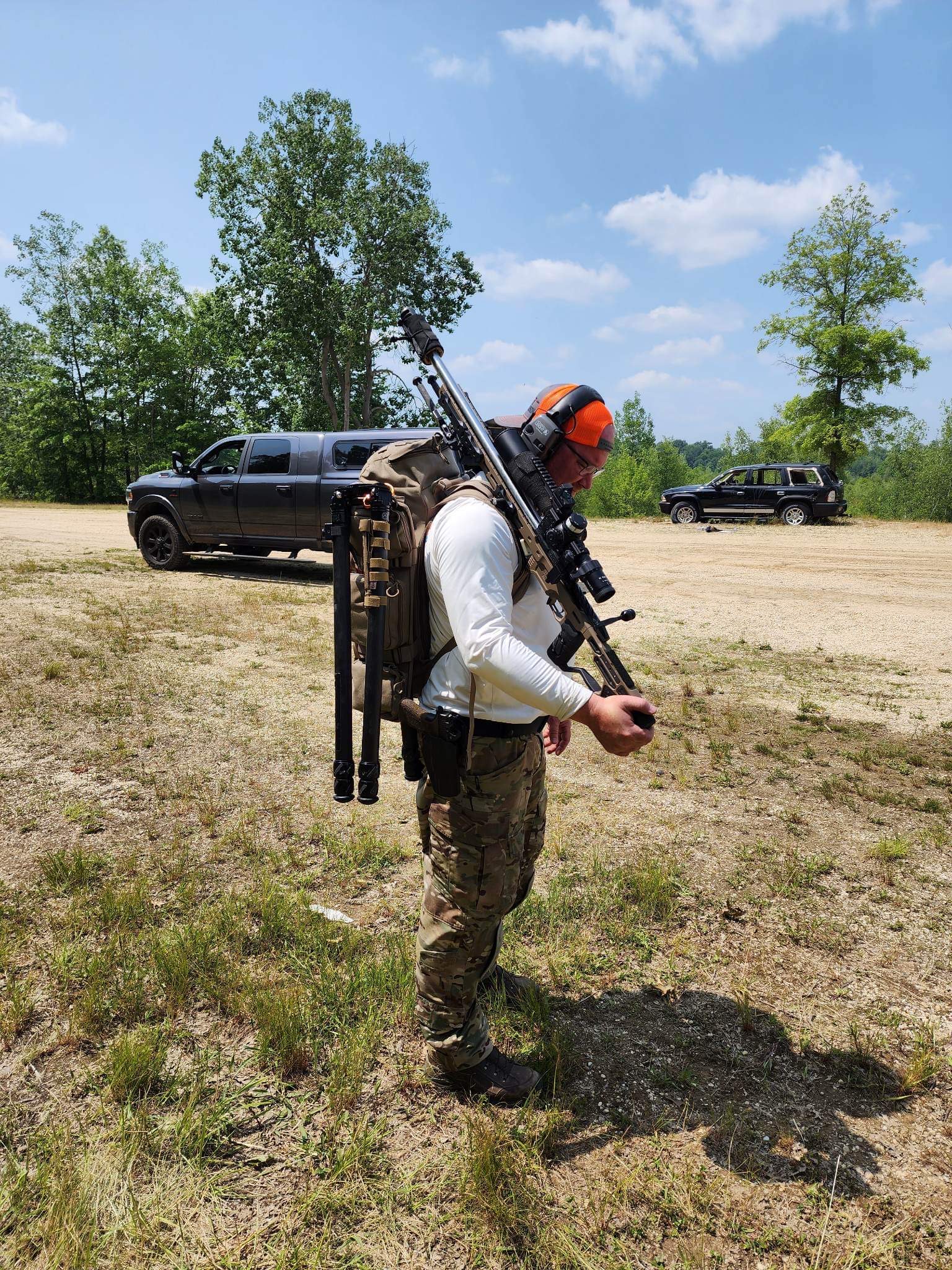
Field use changes the balance between stability and portability. The rifle still needs to settle well enough to support a difficult shot without becoming something the shooter resents carrying to the position.
FIELD / CARRY & SETUP
Weight alone does not determine how manageable a rifle feels. Where that weight sits, how the rifle carries, and how quickly it can be brought onto support all shape the field experience.
OUTDOOR / RIFLE VALIDATION
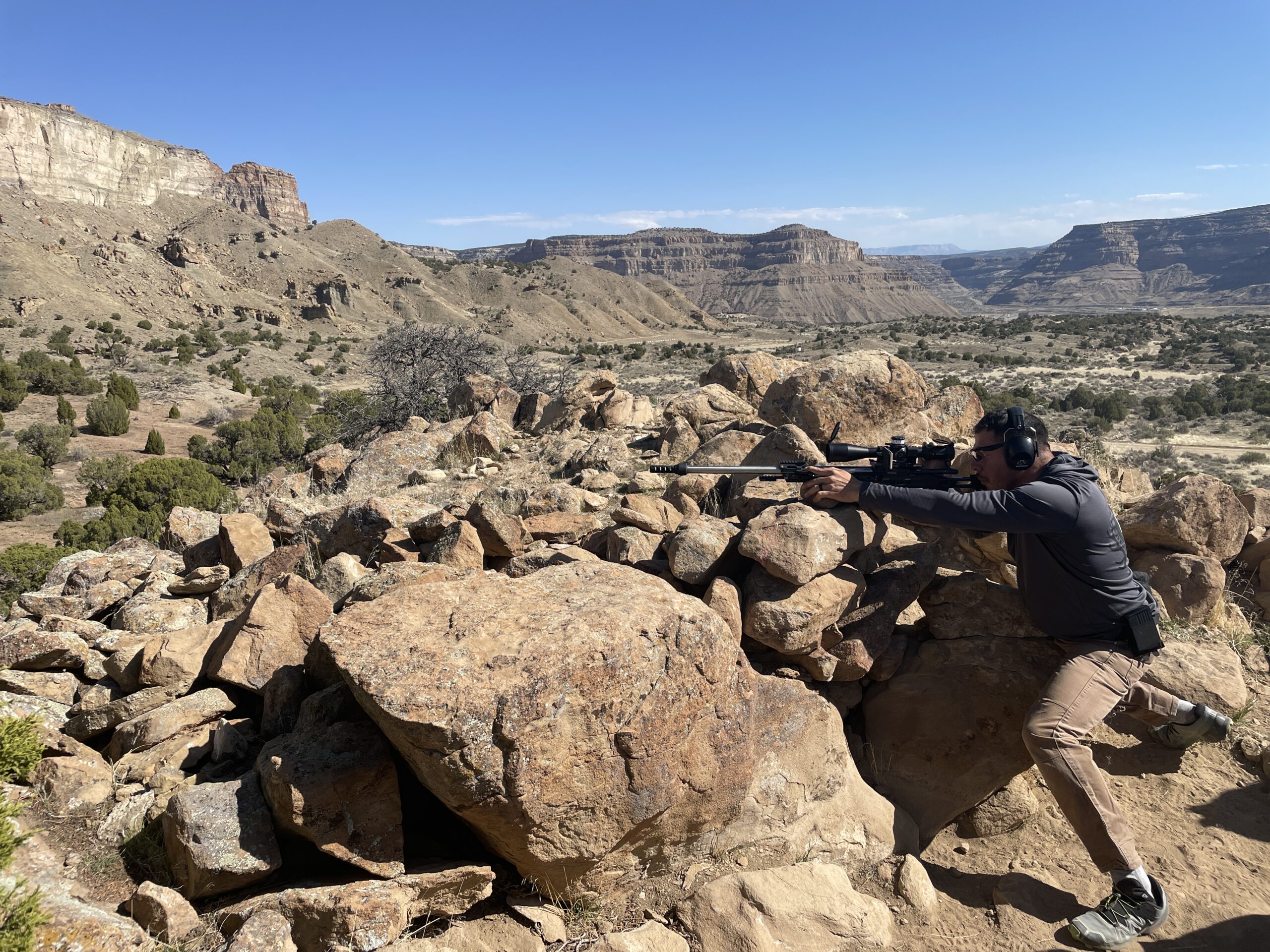
Outdoor shooting exposes the whole system at once: position, optic setup, support, cycling, ammunition, and the shooter’s interaction with the rifle. That is where small setup decisions stop being abstract.
03 / WORK BENCH HIGHLIGHTS
JON'S FAVORITE BUILDS
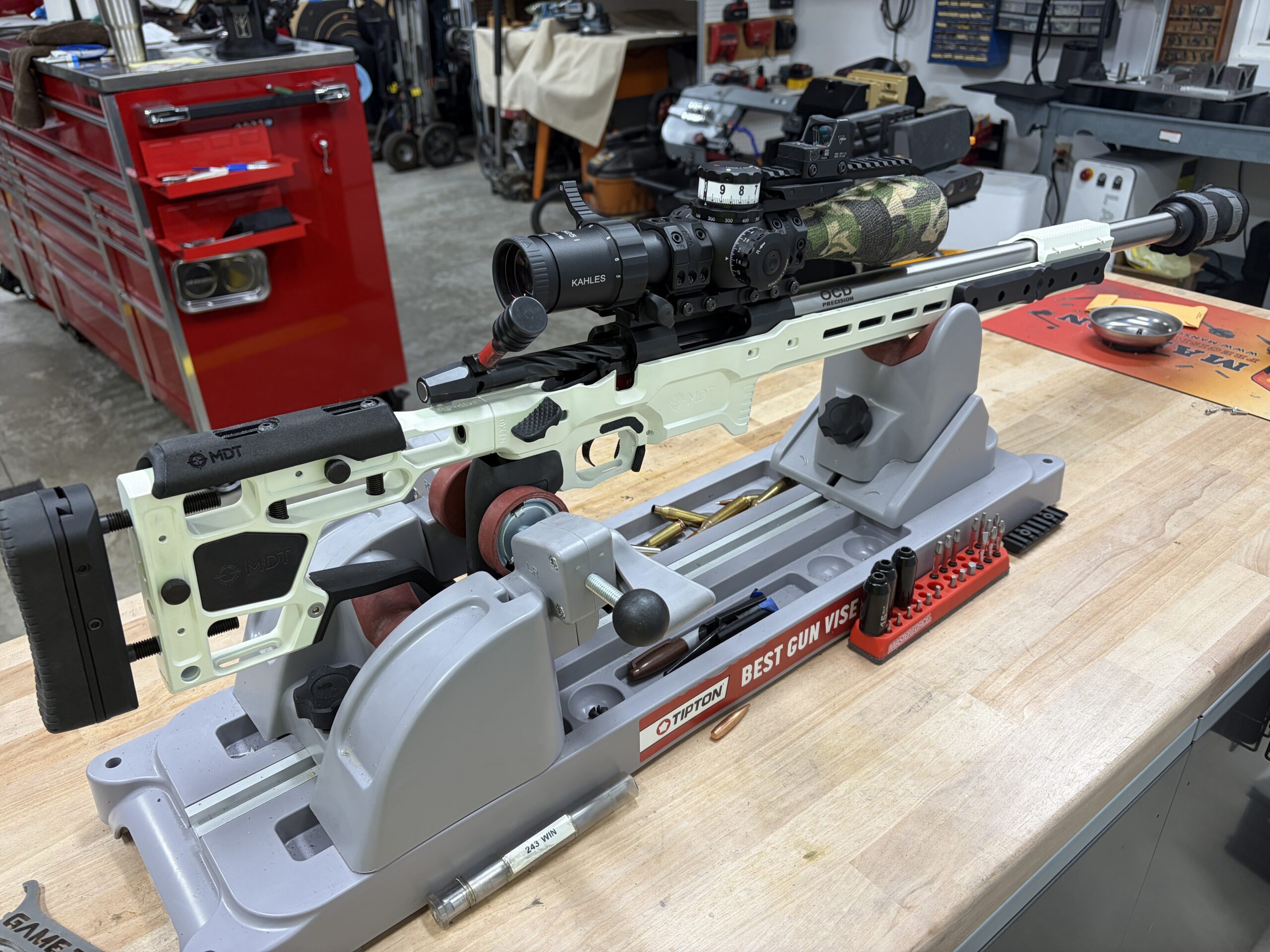
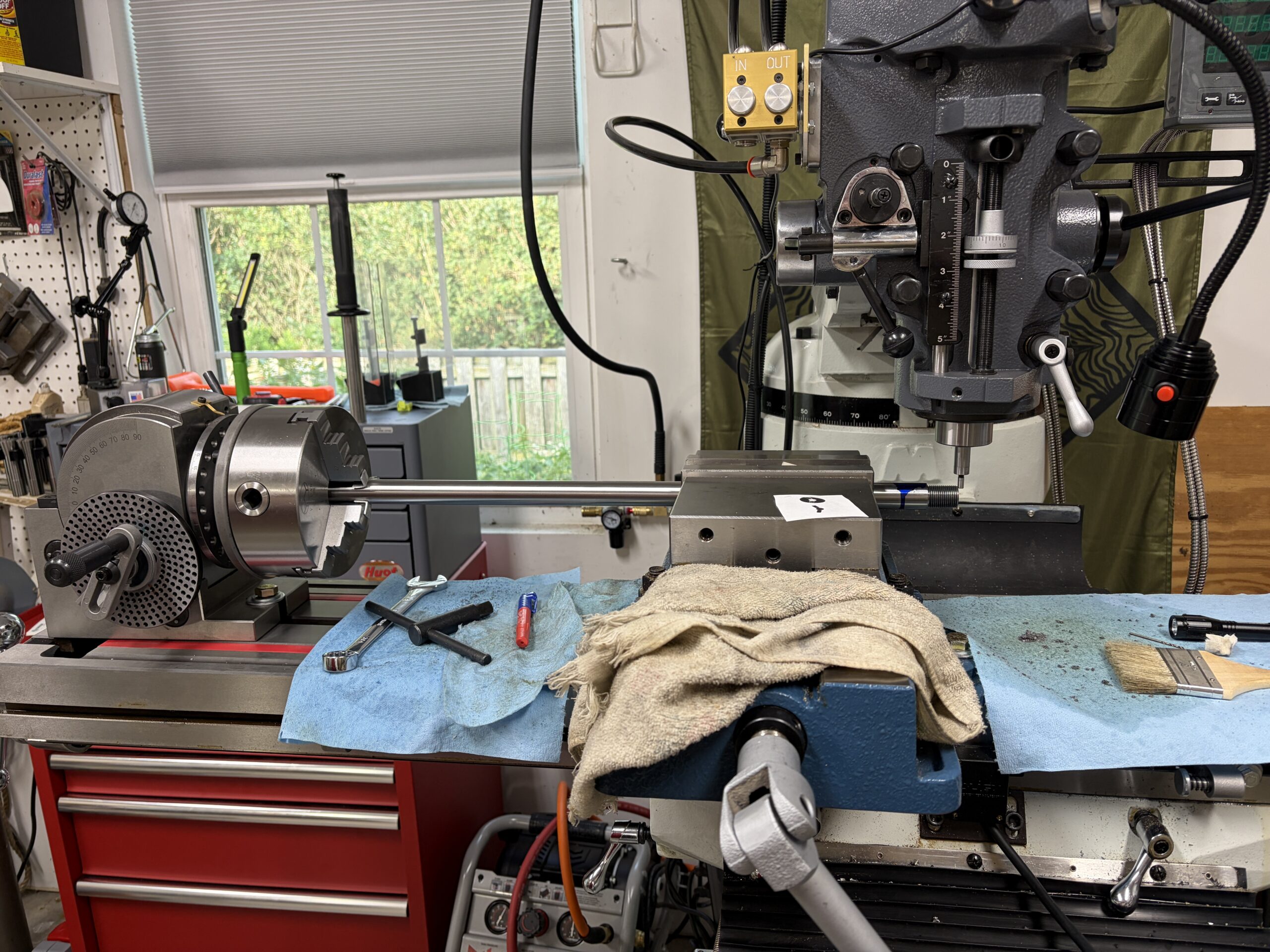
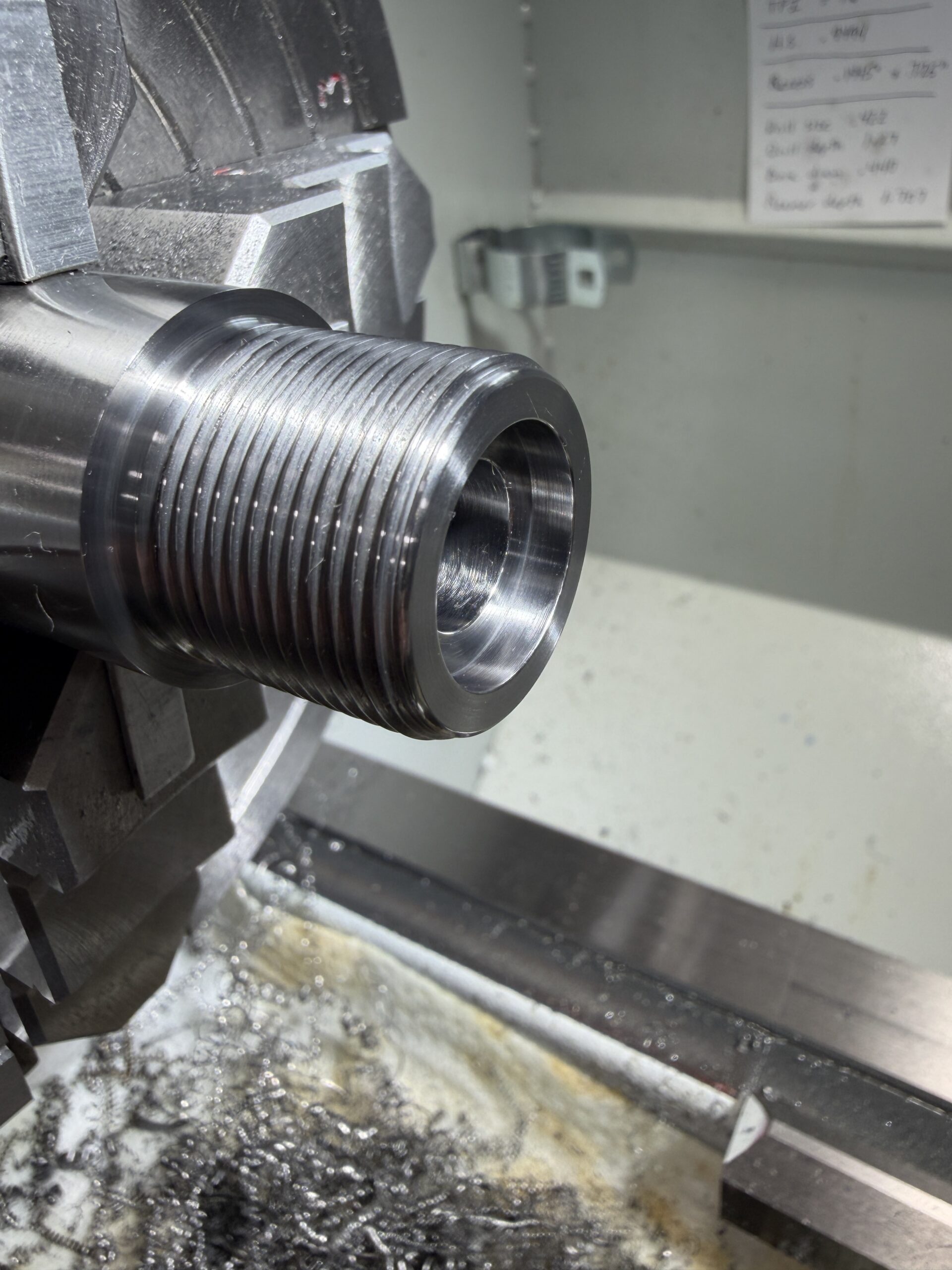
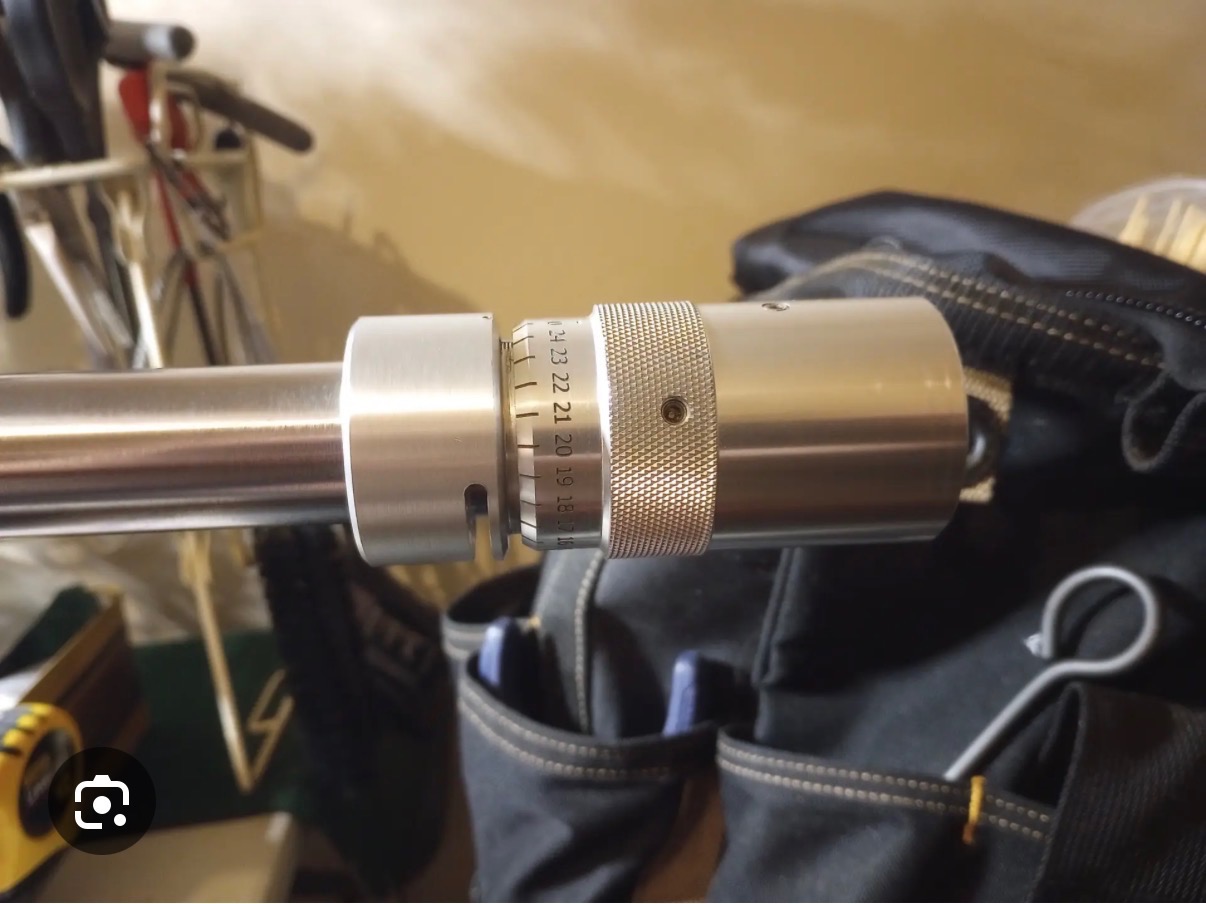
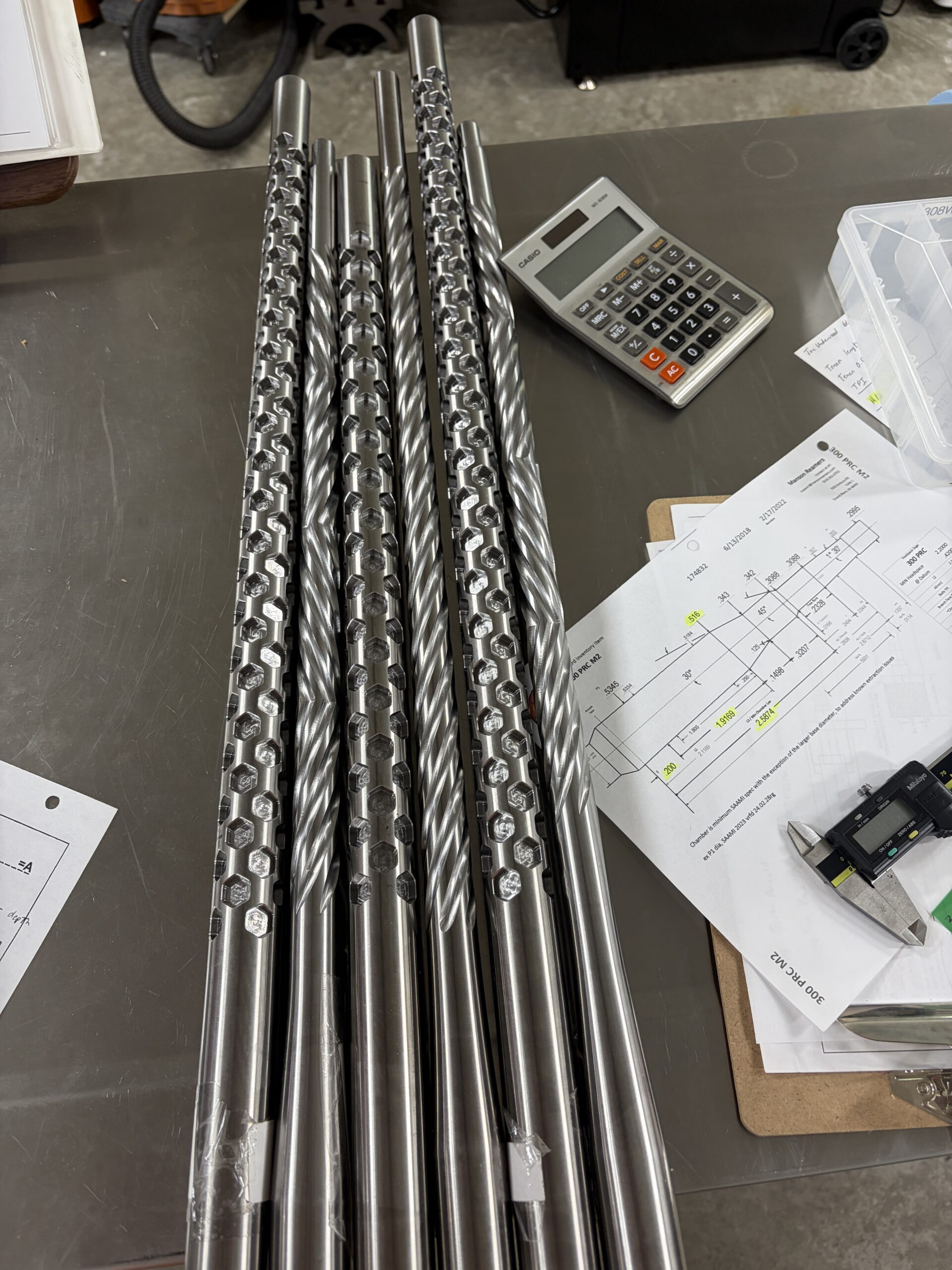
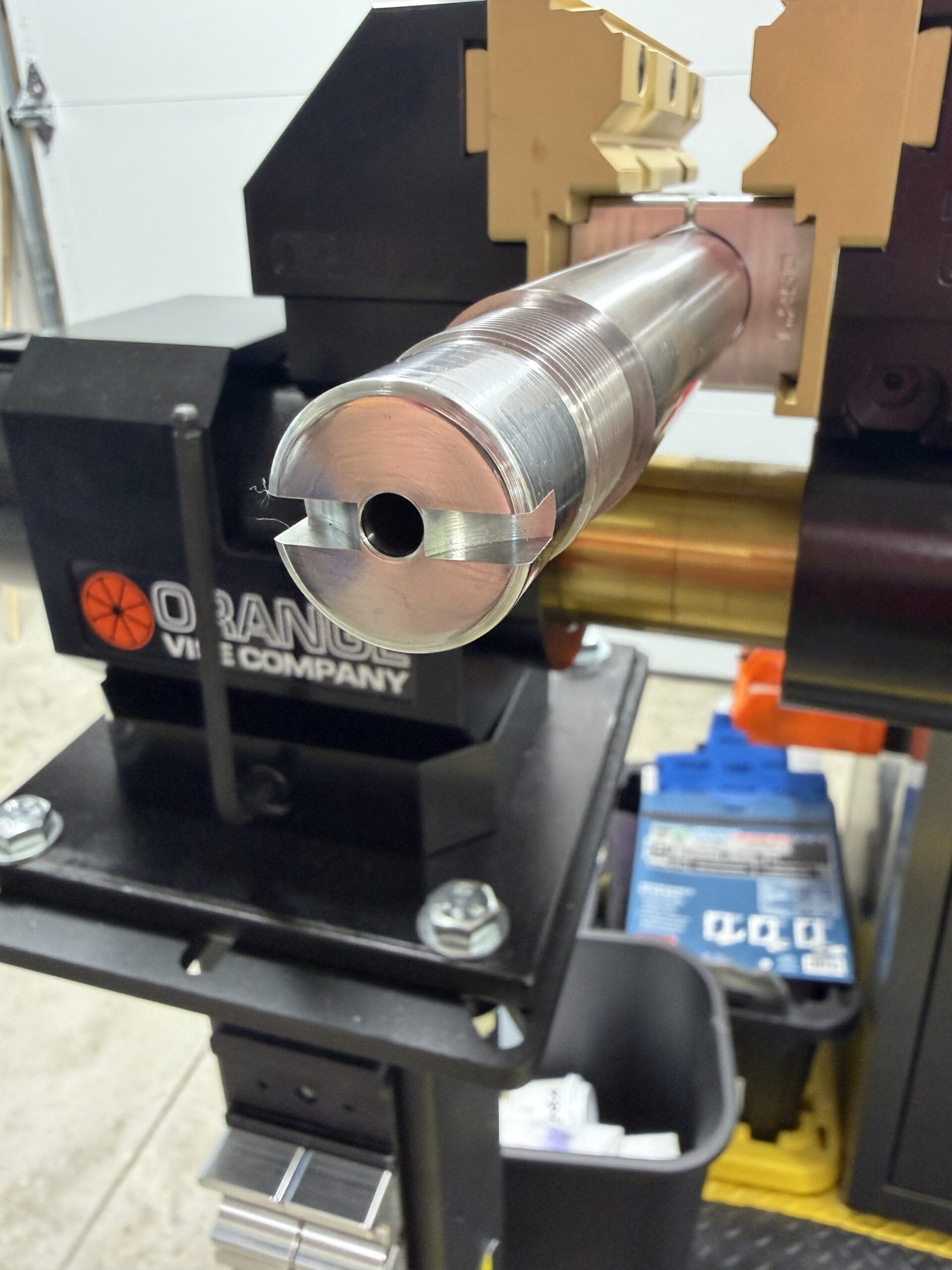
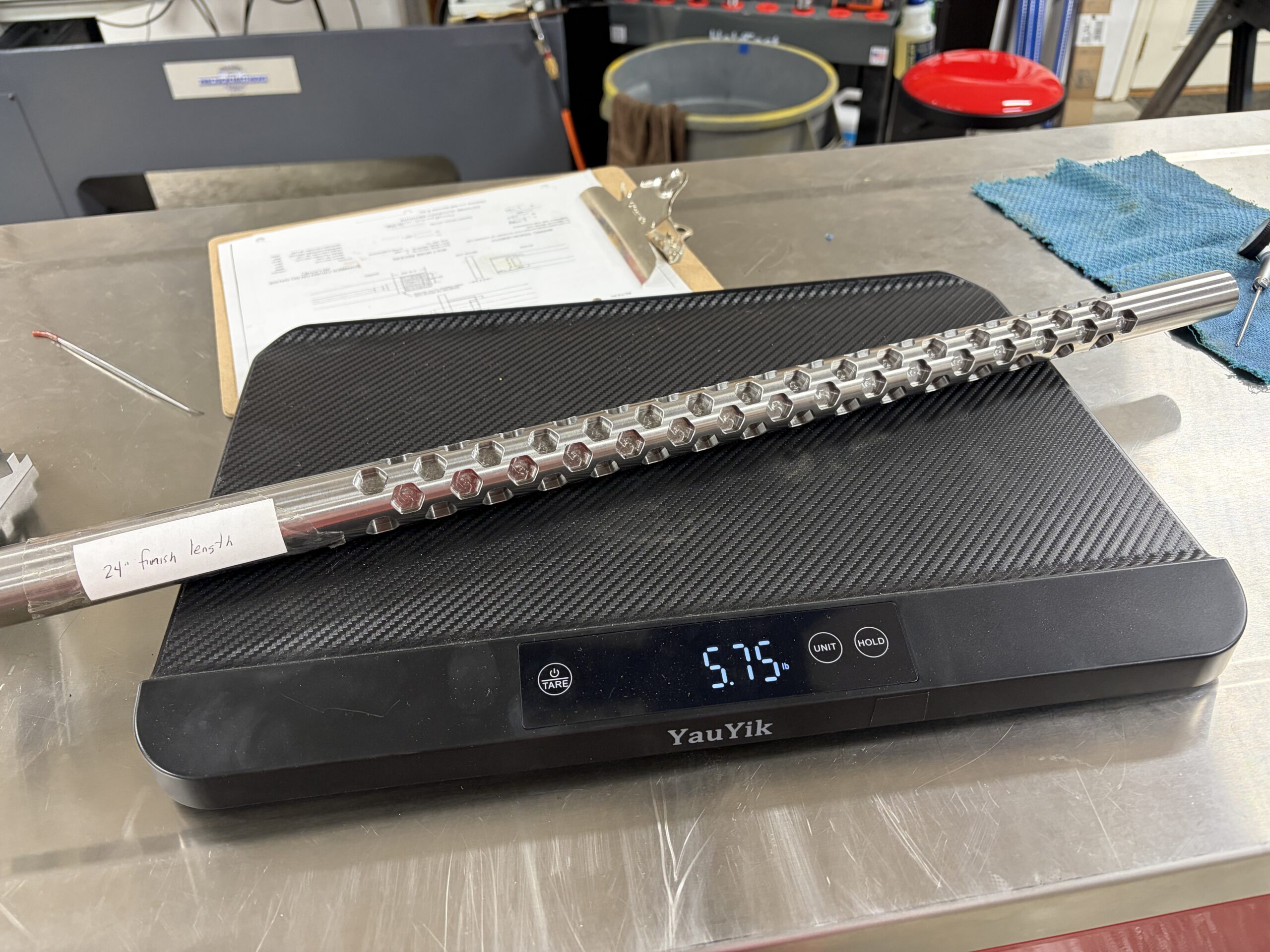
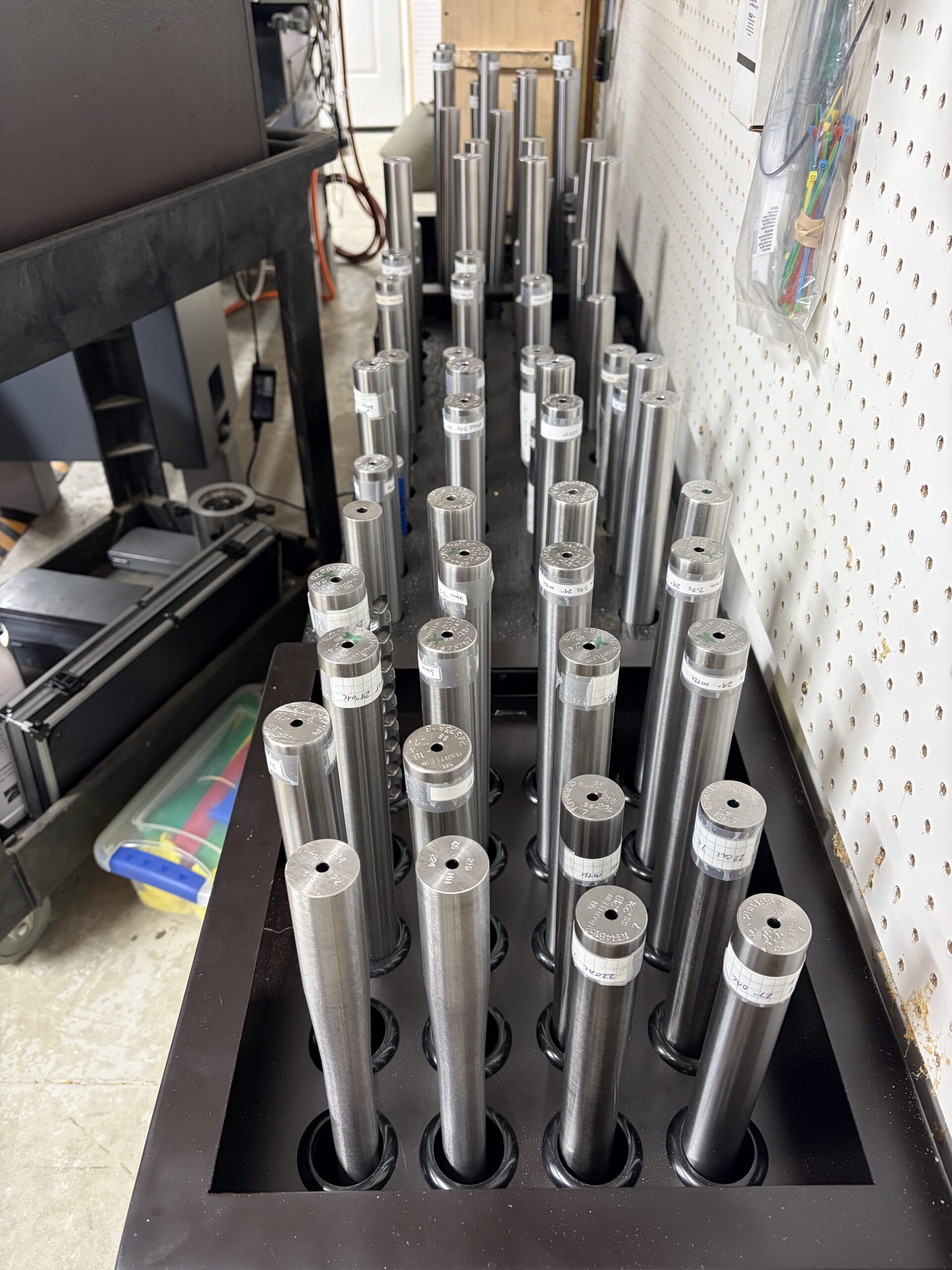
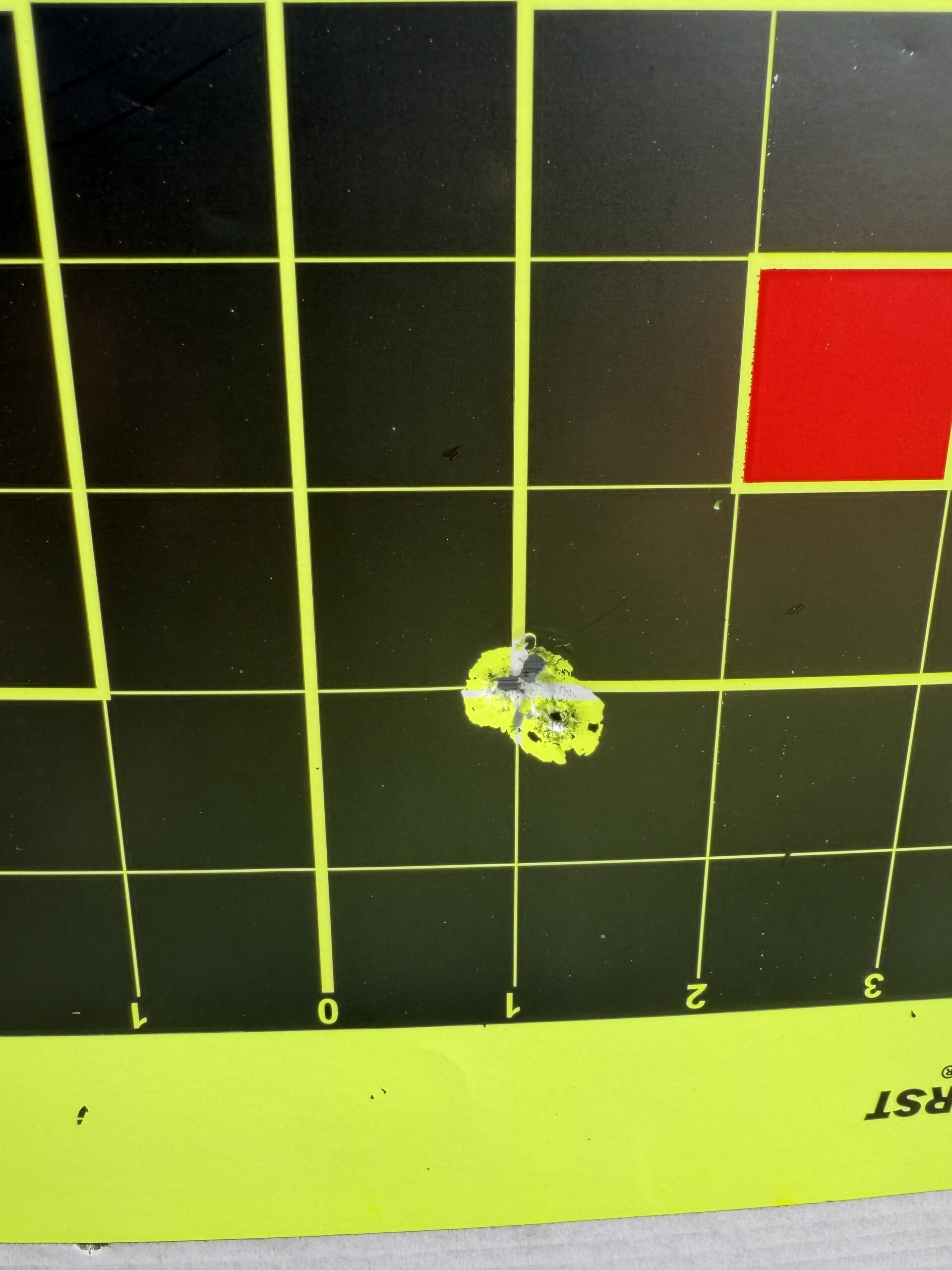
Workbench highlights show the less-visible side of a precision rifle project: machining, measurement, barrel work, finished components, and the feedback used to judge the result. These details are not separate from the final shooting experience—they are the mechanical baseline that makes the rifle easier to evaluate and trust.
04 / SHOOTER STORIES
THE SYSTEM IN USE.
CASE STUDY / COMPETITION
FROM PROJECT GOAL TO MATCH DAY
Story framework What was the shooter trying to improve? Why was the previous setup limiting them? What did Jon recommend? What did the shooter notice once the rifle was in use?
CASE STUDY / HUNTING
FROM SHOP BENCH TO FIELD
Story framework What environment was the rifle built around? What mattered most: weight, handling, reliability, balance, or something else? How did the finished system fit the customer’s use?
WANT YOUR PROJECT TO START HERE?
Start with the intended use and the result you want. The parts list can come after the purpose is clear.