ABOUT / OCD PRECISION

BUILT FROM THE SHOOTER'S SIDE OF THE RIFLE

OCD Precision is an owner-operated precision rifle gunsmithing shop in Columbia City, Indiana. Jon Underwood approaches each project by first understanding what the rifle needs to do, then working through the system around that purpose.

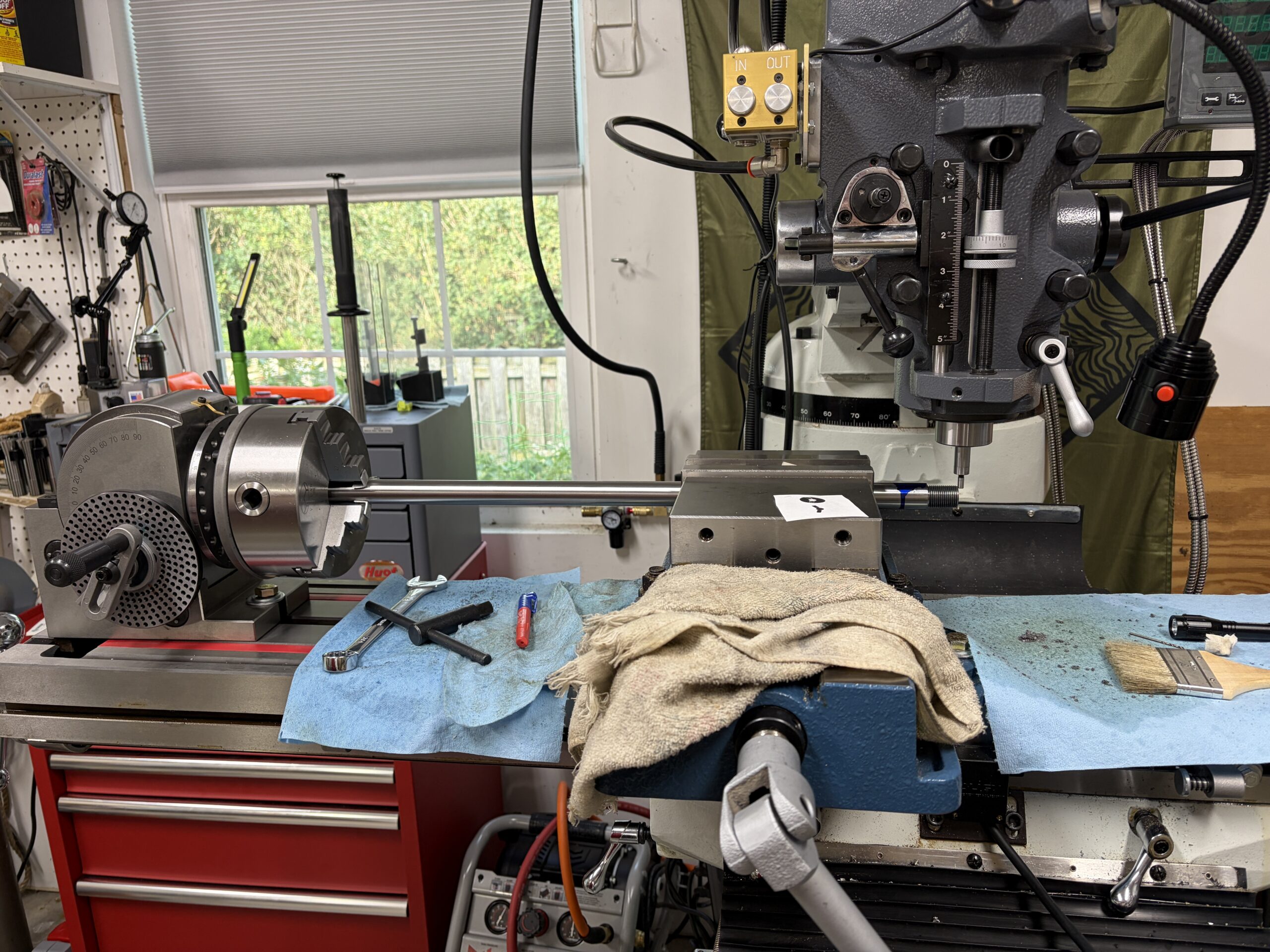
Precision gunsmithing equipment in the OCD Precision shop

PRECISION IS A PRACTICAL STANDARD.

The shop side of OCD Precision starts with the actual rifle and the way it will be used. Measurement, machining, fit, and final setup are treated as connected decisions instead of isolated services.

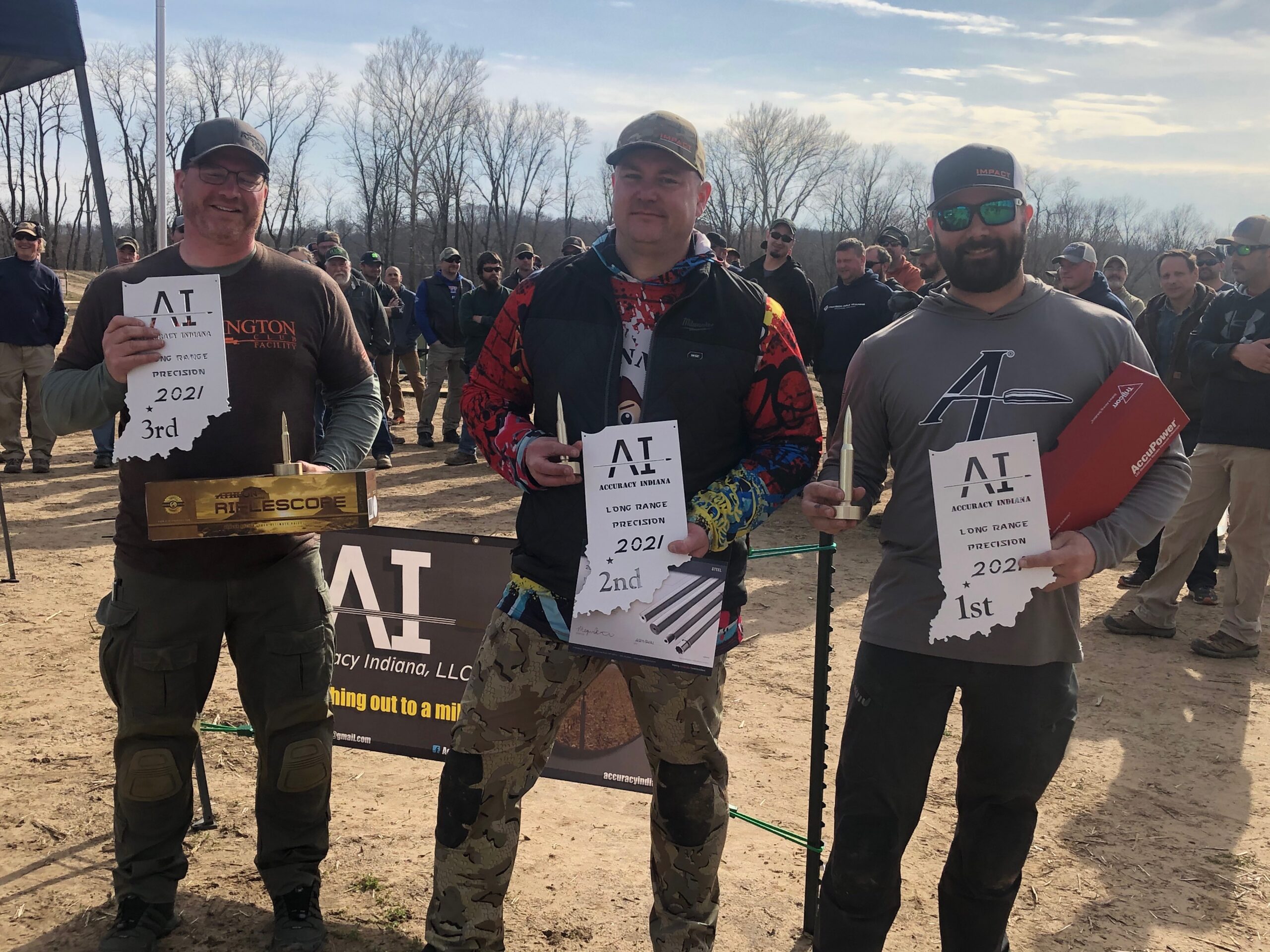
Precision rifle competitors holding match awards outdoors

Competition puts equipment decisions under time, movement, and imperfect support. Those conditions are useful feedback: they show which details help the shooter stay connected to the rifle and which ones demand unnecessary attention.

01 / THE BUILDER

COMPETITION EXPERIENCE THAT INFORMS THE WORK.

Competition is useful feedback for a builder because problems that are easy to ignore from a bench become obvious under time and positional pressure. A rifle that is awkward to balance, difficult to run without disturbing position, or inconsistent in how the shooter gets behind the optic consumes attention. Jon’s experience on the shooter side helps him recognize those tradeoffs when a project is being planned.

OCD Precision is intentionally owner-operated, keeping the conversation close to the person doing the work and the emphasis on quality rather than volume.
02 / THE STANDARD

A PRACTICAL STANDARD FOR PRECISION.

The goal is not to turn a project into a shopping list. The starting point is the shooter, the application, and the result the rifle needs to deliver.

That keeps the conversation focused on function first and lets the individual decisions support the whole package.

01 / PURPOSE

A rifle for barricade stages, backcountry carry, and rimfire training can favor very different weight, balance, recoil, and support characteristics.

02 / FIT

When cheek position, grip, shoulder contact, and the optic relationship are comfortable and repeatable, the shooter spends less effort rebuilding position and more attention on the target and conditions.

03 / SYSTEM

Changing one part can move weight, alter balance, affect compatibility, or change how the rifle handles. Good planning considers those downstream effects before the work starts.

READY TO TALK THROUGH A PROJECT?

Start with the use case, the current setup, or the question you are trying to solve.