Competition. Hunting. Centerfire. Rimfire. OCD Precision builds and refines precision rifle systems around the shooter, the application, and the result—not a generic parts list.
Precision tuning is about controlling variables the shooter can actually feel. Where the rifle carries its weight changes how it settles on support. Stock or chassis fit affects how naturally the shooter gets behind the optic. Smooth, predictable operation reduces attention spent fighting the rifle between shots. The goal is not more parts; it is fewer surprises when the rifle is used the way it was built to be used.
COMPETITION
Consistency, movement, positional shooting, and time pressure.
HUNTING
Field reliability, carry, handling, and confidence.
CENTERFIRE
Longer-range and higher-recoil applications.
RIMFIRE
Lower-recoil precision, training, and competition.
Understand what complete systems, and one off services can do for your existing bolt action rifle.
Meet Jon and learn how OCD Precision approaches the project from the shooter’s wanted purpose the rifle
Browse the gallery framework for competition, hunting, rimfire, and previous customer case studies about their experience.
Compare competition and hunting, then switch between centerfire and rimfire to see how the experience changes.
Changing one component can affect how the rest of the rifle behaves. OCD Precision looks at the major relationships together, whether the project is a complete build or one focused service.
Complete Precision Systems — build the complete rifle around the use.
Barrel & Chamber Work — support consistent cartridge positioning and reliable function.
Action & Accuracy Work — address relationships that influence repeatability and predictable operation.
Customization & Optimization — make weight, handling, ergonomics, and appearance changes intentionally.
OCD Precision is owner-operated by Jon Underwood in Columbia City, Indiana. The work stays close to the person doing it, and the conversation starts with what the rifle has to accomplish in the real world.
Fit is not cosmetic. Cheek position, shoulder contact, grip, optic relationship, and balance influence whether the shooter can settle into the same position without correcting the rifle every time. Jon’s competition experience makes those interface problems easier to recognize because they show up quickly under time and from awkward positions.
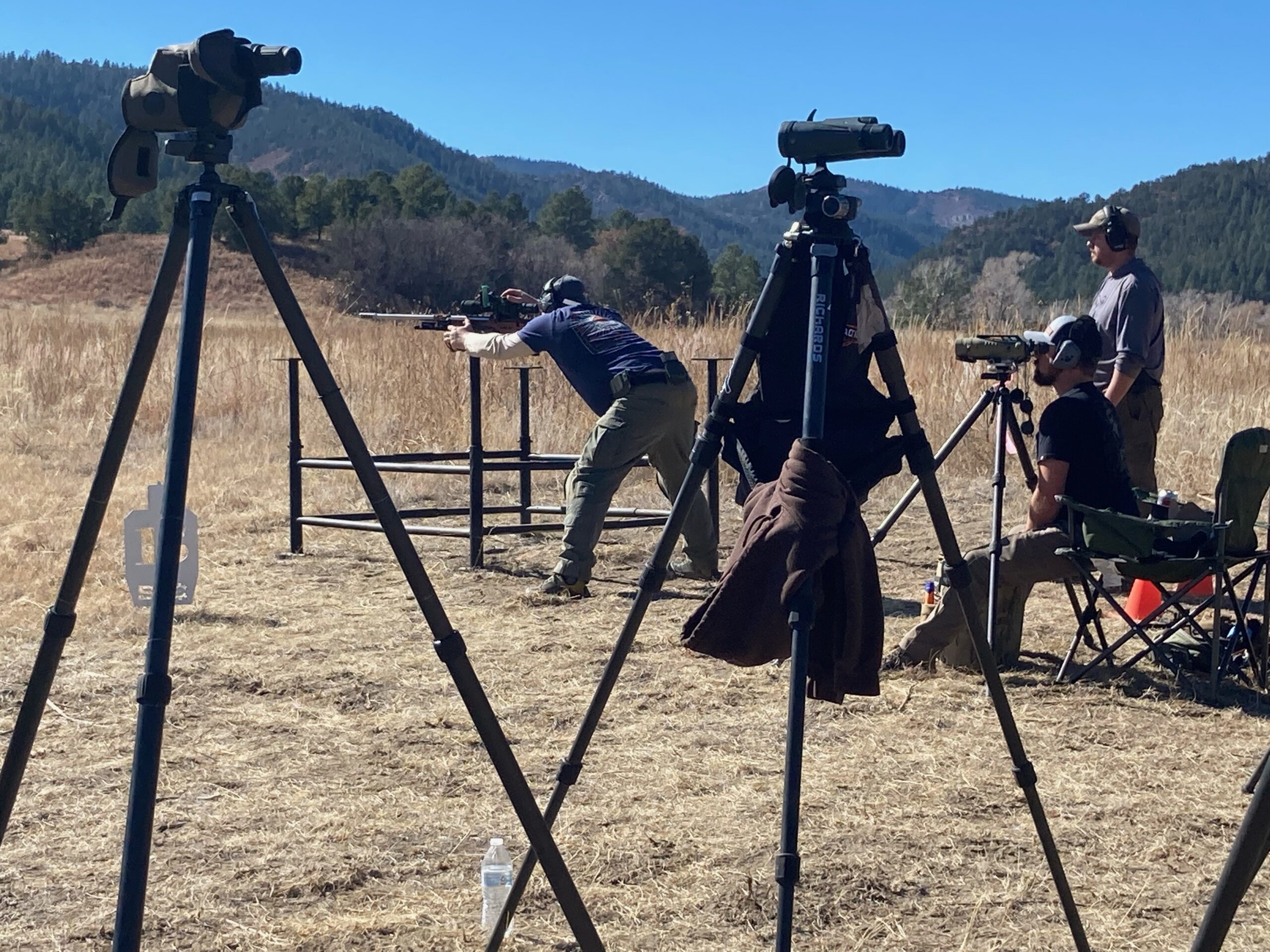
A match rifle has to settle on imperfect support, move between positions, cycle without pulling the shooter out of position, and recover quickly enough for the shooter to see what happened after the shot. Weight and balance can improve stability, but they also affect how quickly the rifle moves. A tuned setup chooses that tradeoff deliberately.
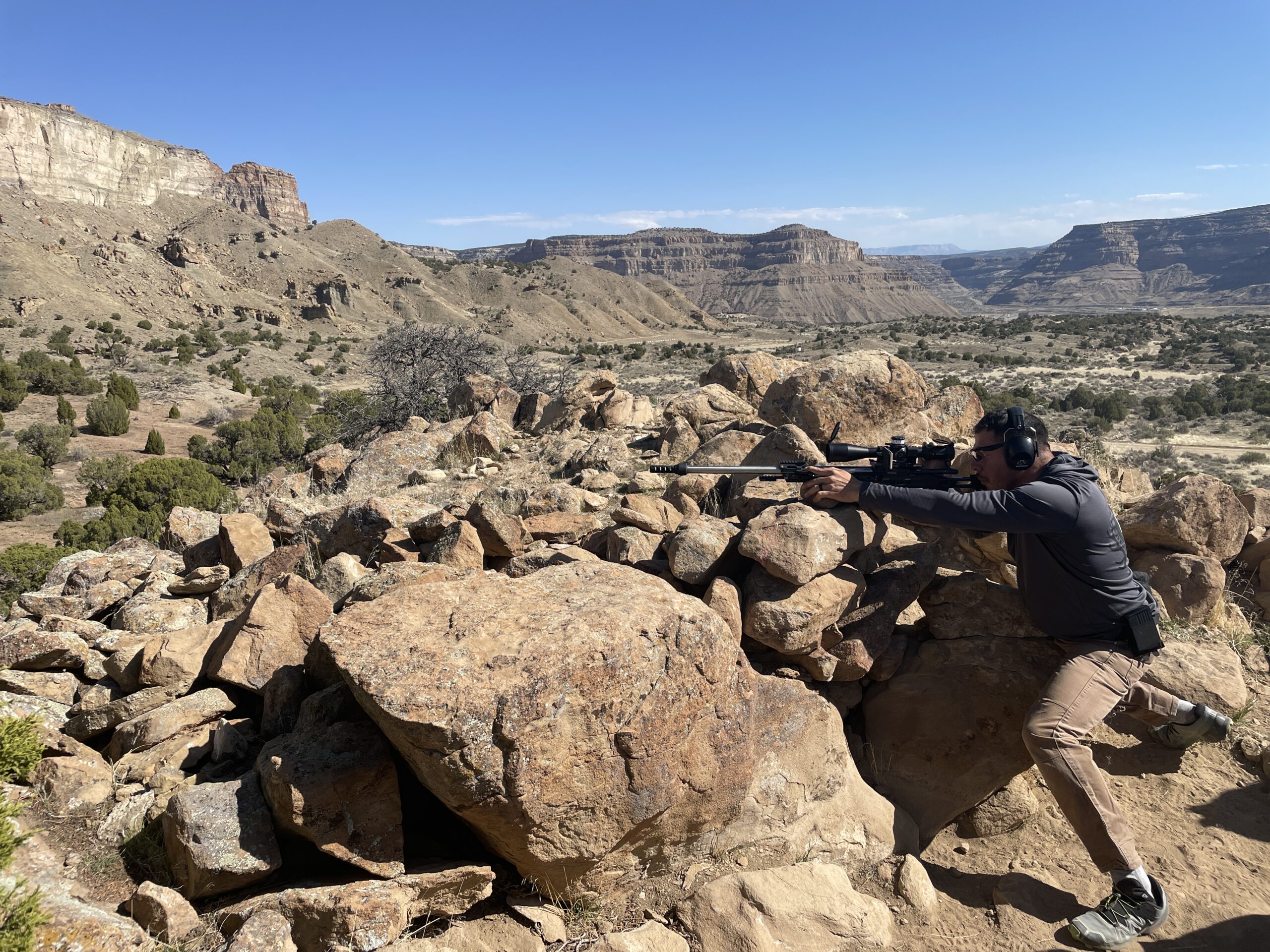
A hunting rifle may be carried for hours for one opportunity. Lower weight helps on the move, but less mass can make the rifle more sensitive to imperfect support and recoil. Balance, overall length, weather tolerance, and how naturally the shooter can build a stable field position matter alongside raw accuracy.
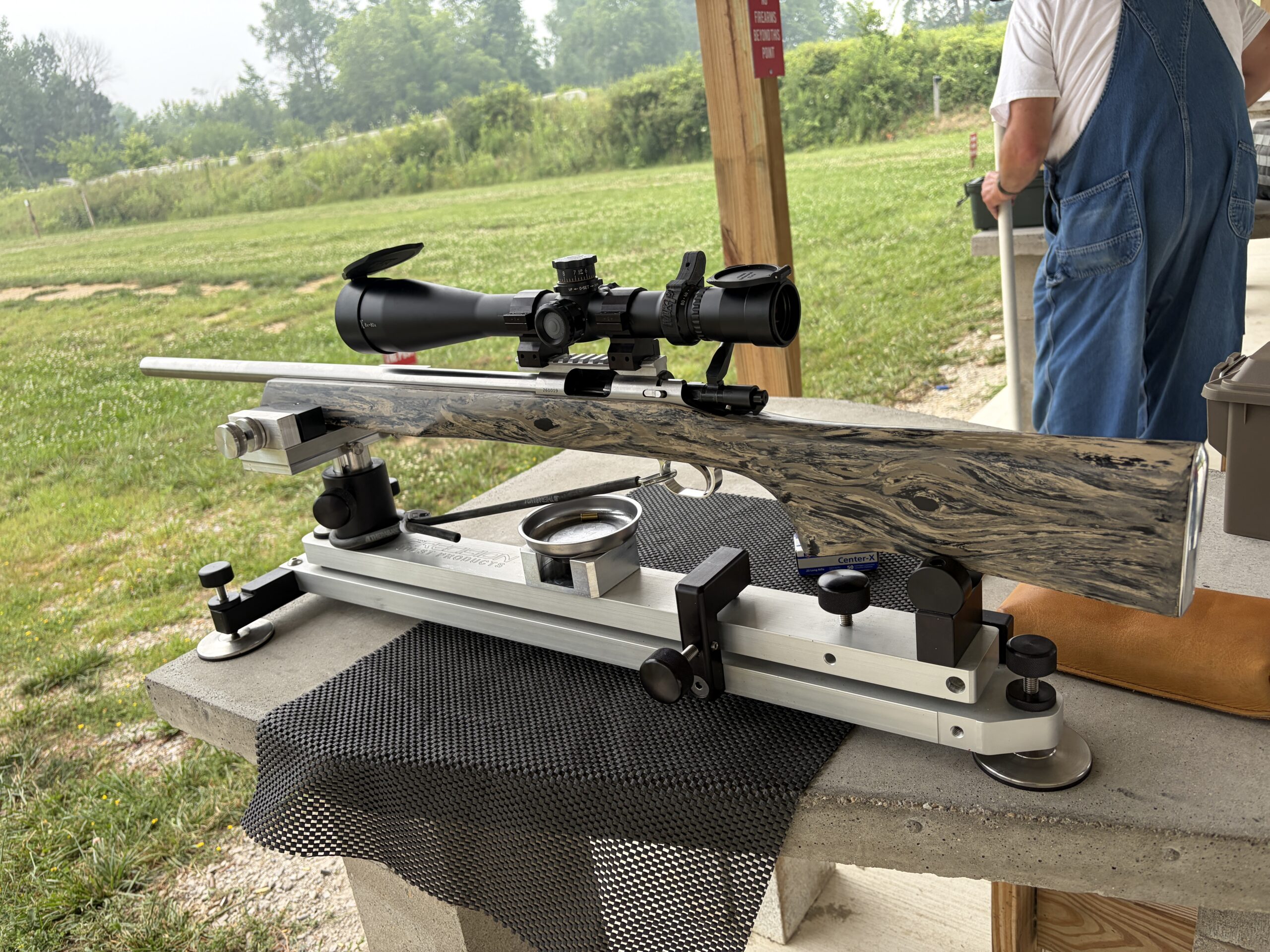
A useful build story is more than a photo and component list. Each project should show what the shooter needed, which tradeoffs shaped the rifle, and what changed once it was used. That context is what turns a finished build into something another customer can actually learn from.
Lorem ipsum dolor sit amet, consectetur adipiscing elit. Ut elit tellus, luctus nec ullamcorper mattis, pulvinar dapibus leo.
01 / Tell us the use case.
What are you starting with and what do you want the rifle to do?
02 / Review & conversation.
Jon clarifies priorities and determines what needs to be scoped.
03 / Scope → shop → delivery.
The accepted project moves through scheduling, the agreed work, final review, and the appropriate return or delivery process.

The FAQ covers first-project questions, service expectations, what information helps Jon evaluate a job, and the terminology that can make a precision-rifle conversation easier to follow.
That is the first useful question. Start there.